How long do phones last, and when should you upgrade?
Update support, battery wear and the signs that a phone has reached the end. A plain way to decide.
30 April 2026 · NexCell Editorial · Updated 6 October 2026
Why magnetic chargers are faster and easier to line up than an old-style wireless pad, and which of your accessories will work.

Wireless charging comes in three flavours, and the names get muddled. Here is what each one means for the charger you buy.
Qi is the long-standing wireless charging standard. You lay the phone on a pad and hope the coils line up. It works on almost every recent phone, but it is the slowest option, and an iPhone on a standard Qi pad is limited to 7.5W.
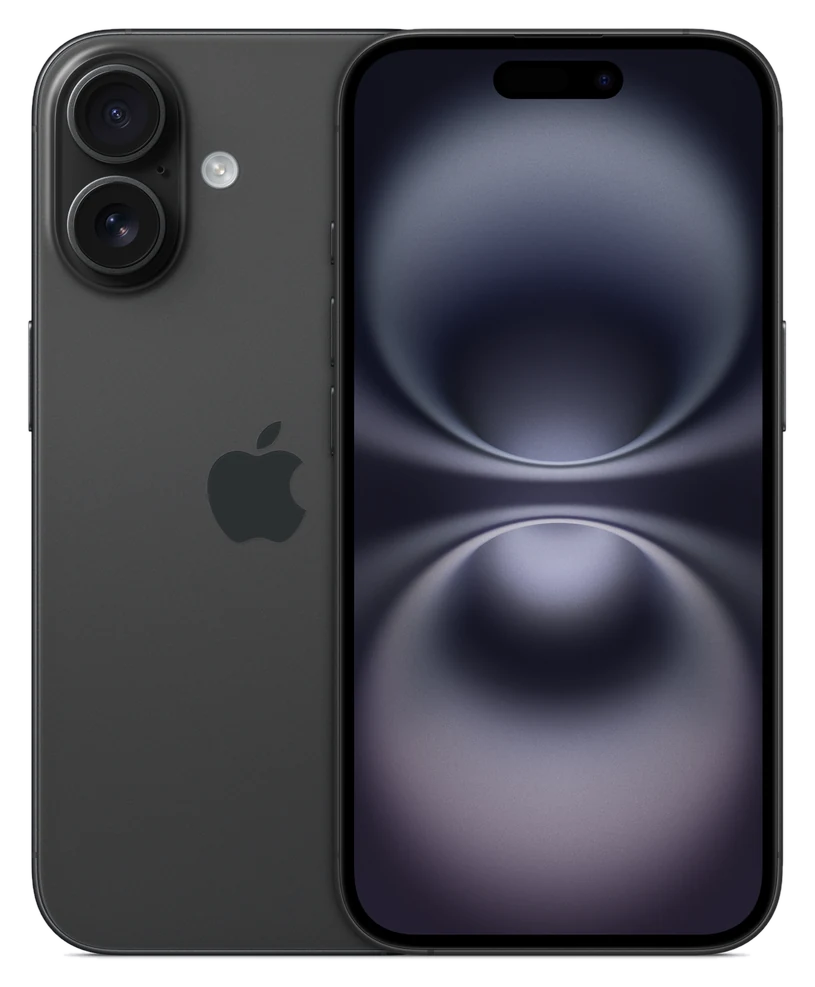
MagSafe is Apple's version. A ring of magnets in the iPhone clicks the charger into exactly the right place, which is faster and stops the phone drifting off the pad. The first MagSafe chargers delivered 15W. Newer iPhones can charge wirelessly at up to 25W with a charger that supports it.
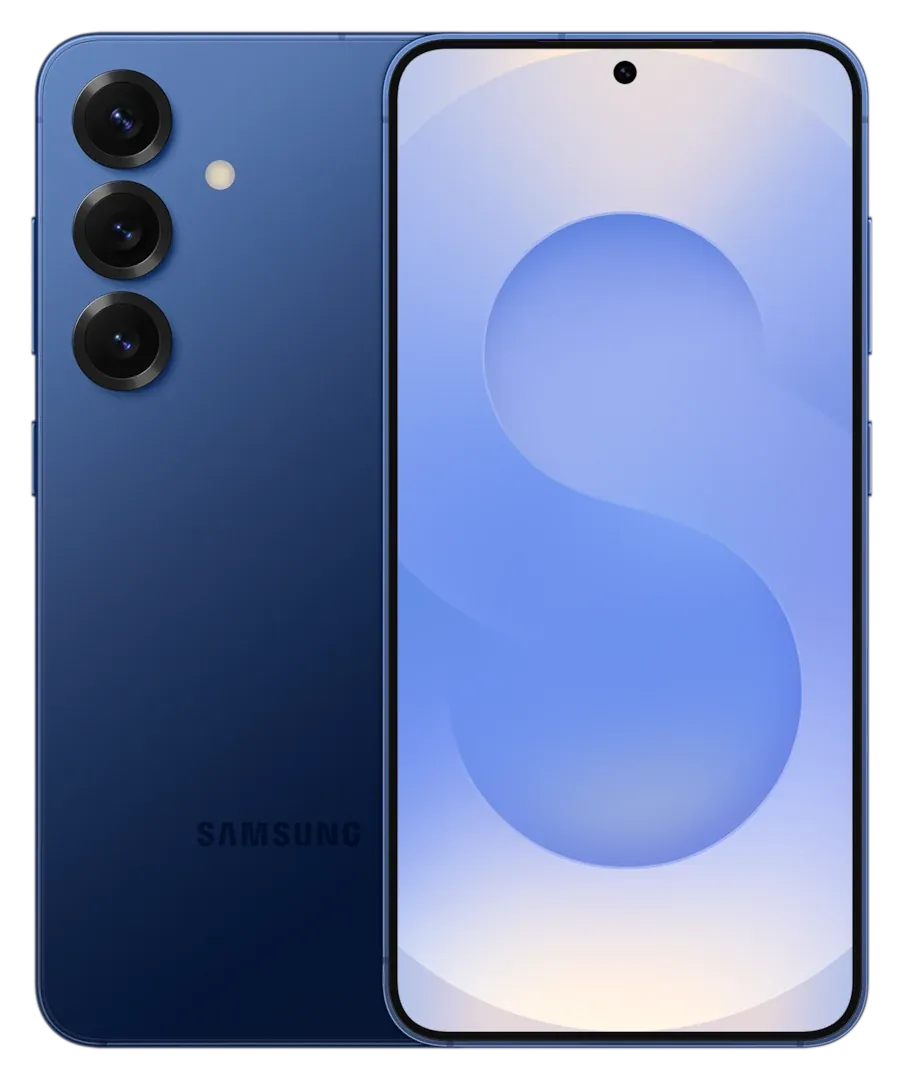
Qi2 is the open standard built on the same magnetic idea, so one charger can serve different brands. Recent iPhones support it, and some Galaxy phones are described as Qi2 Ready, which means they charge best with a magnetic case fitted. On a Galaxy S26, for example, wireless charging runs at 15W.
If you have a recent iPhone, a MagSafe or Qi2 charger is the better choice, and it keeps working as an ordinary Qi charger for other phones, just without the magnetic grip or the faster speed. If you have a Galaxy phone, check whether it is Qi2 Ready and whether it needs a magnetic case. If you want the fastest charge, a wired charger is still quicker than any wireless option, which is why a charger comes in the free accessory pack when you pay in full.
Update support, battery wear and the signs that a phone has reached the end. A plain way to decide.
What the terms mean in the UK, whether a SIM-free phone works on every network, and how to check a phone is unlocked.
Step-by-step transfers between iPhone and Android, plus the things people forget: WhatsApp, authenticator apps and eSIM.
Browse the phones and accessories covered in this guide.